Emilia-Romagna: Rolling hills for Breakfast, Parmigiano for Dinner
Cycling Italy's food valley away from the crowds
At a Glance
- Base: Reggio Emilia (between Parma and Modena)
- Best for: Road cyclists who love food, quiet roads and authentic Italy
- Daily distances: 50–150km+ depending on ambition
- Climbing: Rolling foothills, mostly 200–400m per climb
- Surface: Road. Good surface, with some potholes and loose gravel
- Best months: April–June, September–October
- Recommended Duration: 3–5 days
Cyclist Profile
For the rider seeking a local Italian experience, who enjoys quiet narrow roads in rolling hills with winding descents, wanting to sample the local flavours and is willing to communicate with hand gestures when necessary.
Why Emilia-Romagna
While most cyclists flock to Tuscany, few think to explore its northern neighbour. Separated from the tourists by the Apennine mountain range, Emilia-Romagna remains one of Italy's best-kept cycling secrets. This is the heartland of Italian food, Parmigiano Reggiano, Prosciutto di Parma, balsamic vinegar all stemming from this area. You can ride some of the Giro's climbs before lunch, then feast on tortellini and tagliatelle al ragù with 24-month aged Parmigiano for dinner.
The Apennine foothills south of the larger towns Parma, Reggio Emilia and Bologna offer quiet tree lined roads with steady climbing, winding descents, stunning views and virtually no other cycling tourist, for now. Some of these roads, like the Via Emilia date back to ancient Roman times while the culinary traditions were born in medieval monasteries, and have been refined by artisans in the hill top villages ever since. You won't find bike hotels or guided tour groups here. You'll find authentic Italy.
The Riding
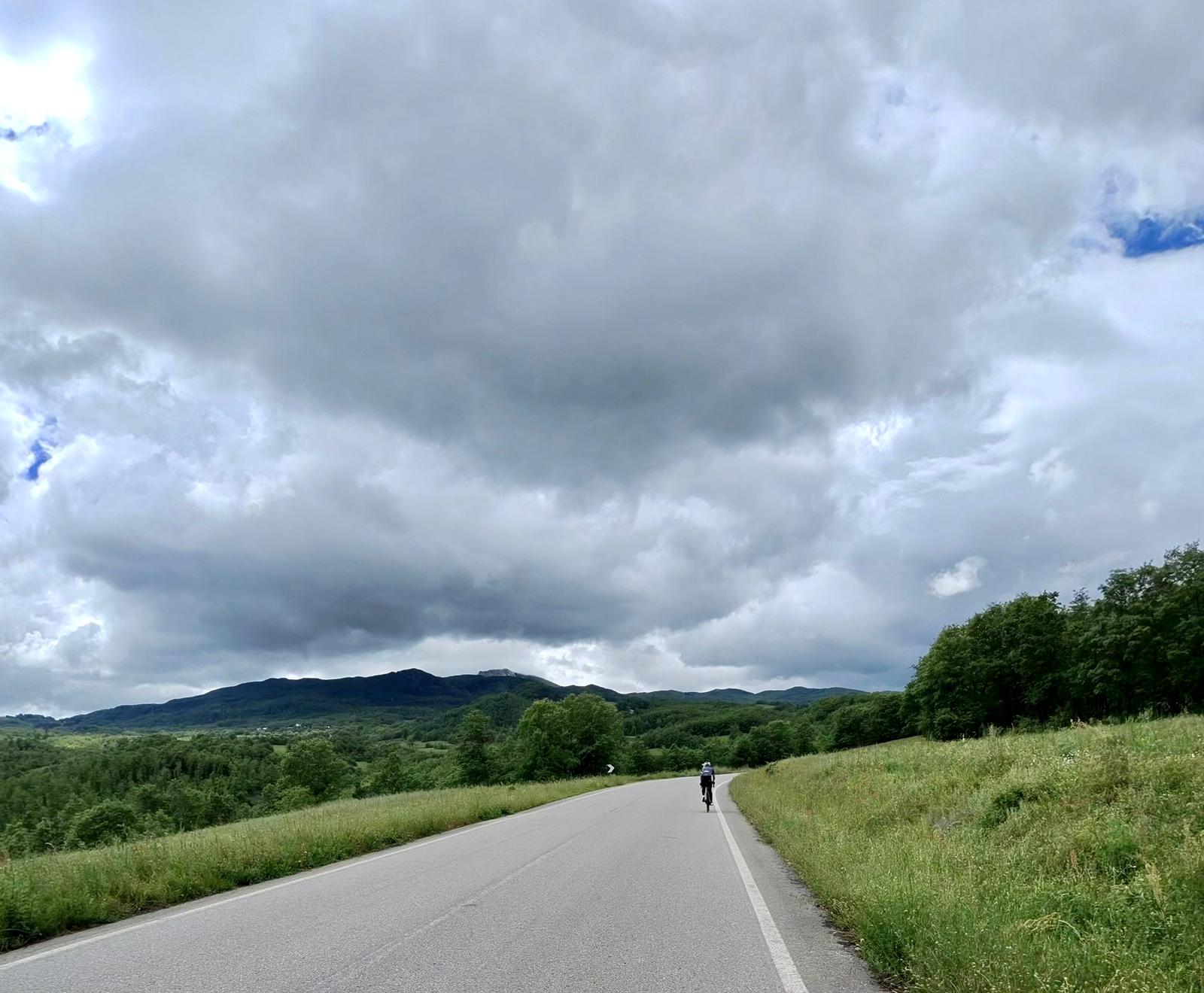
The climbs in the foothills are gentle, quiet and accessible earlier in spring than the high mountain passes like Passo di Pradarena lying further to the south. While it's possible to find a long climb, most are short (around 300m of elevation gain) and rolling. The descents are what you'd expect of Italian back roads: winding, beautiful but with the occasional spots of loose gravel and potholes. Worth double-checking your brakes before you head out and proceeding with caution, but very doable even for the more cautious descender.
The best rides lie to the southeast of the main towns into the Apennine foothills. Bike lanes are minimal to none, but this is not an issue cars are extremely respectful of cyclists, often honking in greeting as they pass, and speed limits on these roads are low. The majority of our routes kept to small back roads where cars were sparse. The amount of elevation gain can be easily adjusted by opting to go over or around the hills but the beauty of the region is best appreciated from a hilltop.
Our rides in this region:
Where to Stay
There are three main options for a base: Parma, Reggio Emilia and Modena. We chose and would recommend Reggio Emilia simply because it sits in the middle of the three. There are various villas in the region and by staying in one of these to the southeast of the towns themselves you can embrace the slower pace and also access the small back roads into the Apennines faster. Each of the cities is worth a visit and we found ourselves heading to them in the early evenings in search of the local delicacies and some well earned carbs.
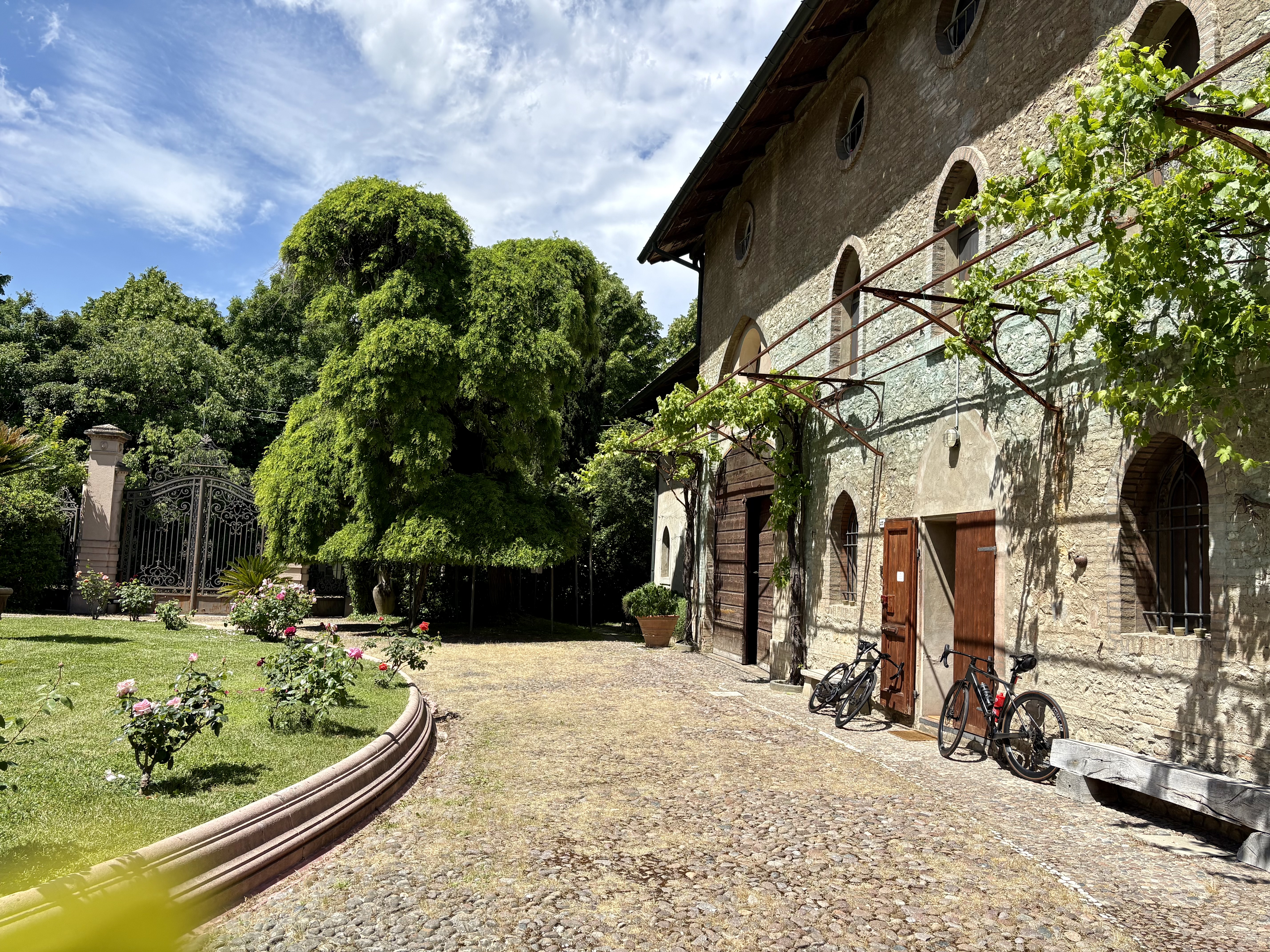
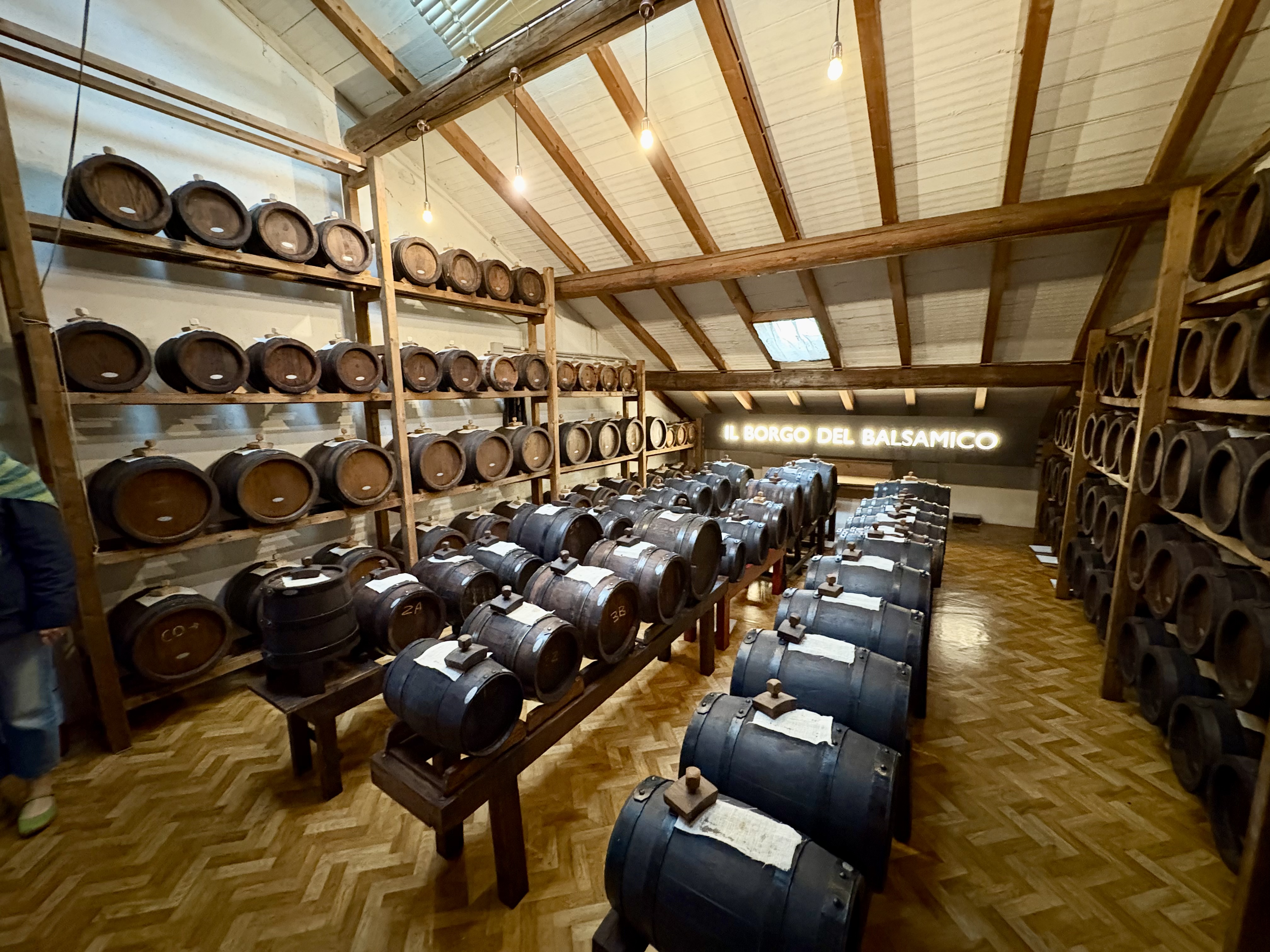
We found a lovely bed and breakfast called Borgo del Balsamico, an Italian mansion in the countryside where the family still makes traditional balsamic vinegar the old way. It is picturesque Italy — rambling roses, a hearty breakfast, and a big lawn with a pool for some post-ride relaxing. I would stay there again.
The Food
Beyond the perfectly carb-heavy dishes we all love Italy for, this area has special gems that may only be produced in this region, strictly controlled by the DOP certification, or PDO in English (Protected Designation of Origin).
Parmigiano Reggiano — the true king of parmesan, aged for no less than 12 months and up to over 24 months, giving it its savoury, complex flavour. You can try this at most wine bars, but why not visit a caseificio where you can watch them make it?
Aceto Balsamico Tradizionale di Reggio Emilia (or Modena) — not to be confused with commercial balsamic glaze. This sweet nectar consists only of grape must, developing its flavour by ageing in casks of different wood for a minimum of 12 years. These people know how to resist instant gratification.
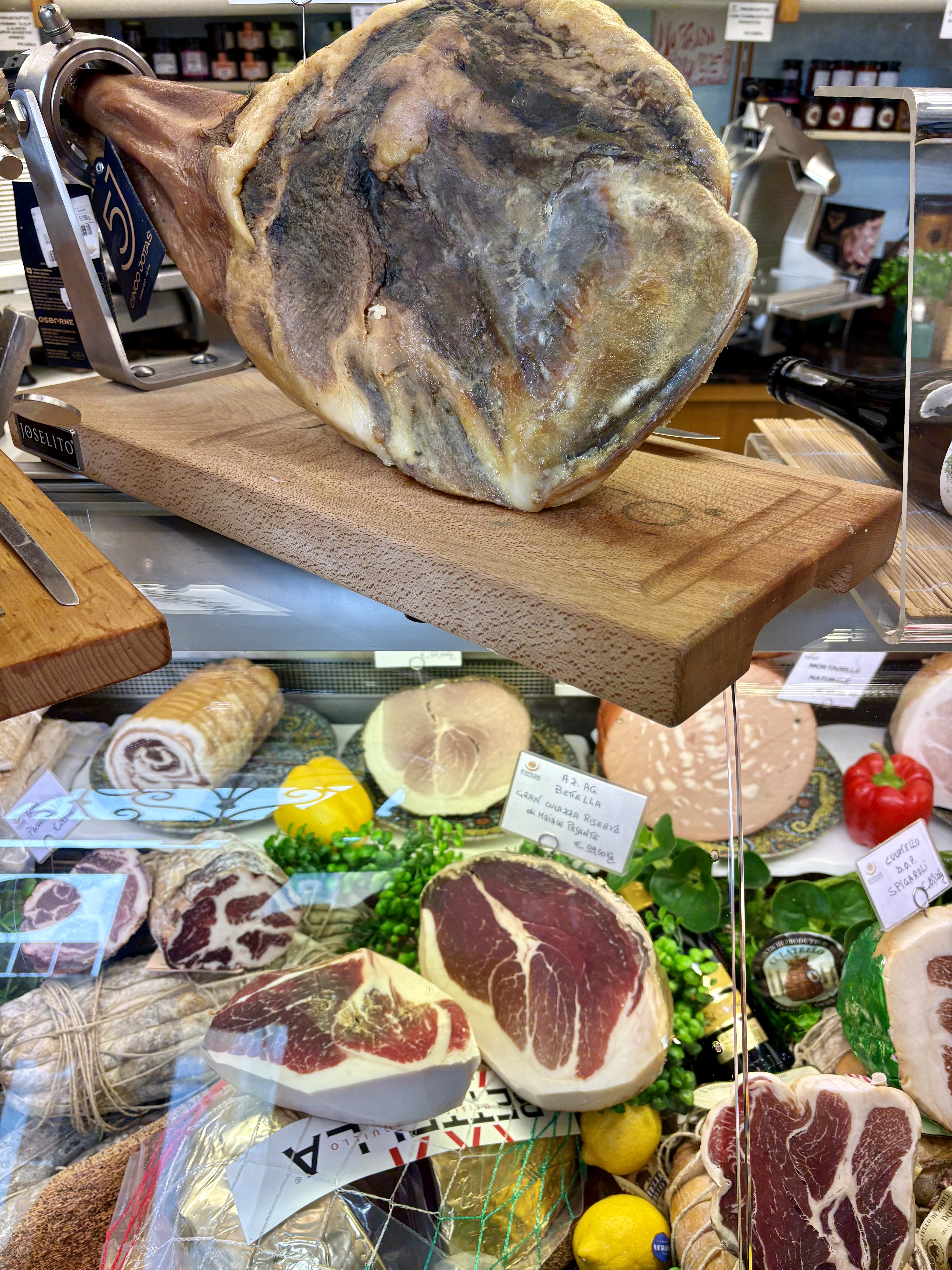
Prosciutto di Parma — this one needs no explanation, but may I recommend you try it alongside the above two for a truly inspired experience.
Go-to cycling snack: Erbazzone — a savoury pastry filled with chard, parmesan and lard, available at any forno (bakery). Everyone thinks their grandmother's recipe is the best. Cheap, filling, and perfectly for a mid-ride snack.
Rest Days
Take a trip to Modena or Parma, both are beautiful, quintessentially Italian towns where you can sample the local delicacies, enjoy a divine dinner in the golden light of sunset, or stroll around with a dripping gelato in hand.
This region hasn't just perfected the art of flavour but also engineering. Pay a visit to the Ferrari Museum in Maranello every Ferrari is still manufactured right here in this corner of Italy.
The Practicalities
When to Go
Spring (April–June) and early autumn (September–October) are ideal. The foothills are accessible earlier in the season than the high passes. July and August can hit 35°C+ in the valley with high humidity — if you are planning a trip in mid-summer rather head to the higher altitudes for more moderate weather.
Getting There
We drove there with our own bikes and staying outside of the city meant we needed the car to get to the cities for dinner in the evenings. While there is public transport, being able to stay in a villa and drive to the cities and farms for food is a core part of the experience and would be cumbersome to do using public transport.
- Drive: The A1 motorway runs directly through Emilia-Romagna, making it easy to reach from Milan (1.5 hours), Florence (2 hours), or further afield. Driving gives you the most flexibility for staying in countryside villas and visiting farms and cities in the evenings.
- Fly: Bologna Airport (BLQ) is the closest, about 60km from Reggio Emilia. Milan Malpensa/Linate are 2–2.5 hours away.
- Train: Reggio Emilia has a high-speed rail station (Mediopadana) on the Milan–Bologna line. Italy's trains handle bike boxes well.
- Bike: Fly with your own in a bike box, or pick up a bike in Parma on your drive in, make sure to book in advance.
On the Road
- Road surface: Mostly good. As is usually the case with infamous Italian rodes there is loose gravel and potholes in places, take care on the descents.
- Water: There are many fountains along the way, keep a look out for them when you pass through a town.
- Traffic: Minimal traffic on the back roads. There are very few bike lanes and you must be comfortable cycling on a busier road for short stretches. Drivers are respectful giving wide berths and speed limits are relatively slow, do not get a fright when they graet you with a honk.
Food Timing (Important!)
Lunch: 12:30–14:30. Dinner: 19:30–22:30. While you can find food outside these hours, all the good places strictly adhere to this. Plan your rides accordingly — there's nothing worse than finishing a ride at 14:45 and having to wait until 19:30.
Budget
- Accommodation: €80–150/night for a good B&B or agriturismo
- Dinner: €25–45 per person for a proper meal with wine
- Coffee stop: €1.50 for an espresso at the bar (as it should be)
- Payment: Cards accepted in towns, but carry some cash for smaller villages and bakeries
Language
English is limited outside the cities. A few Italian phrases go a long way, and hand gestures fill the gaps. This is part of the charm.
FAQ
Is Emilia-Romagna flat? The Po Valley north of the Via Emilia is pancake flat. Head south and the Apennine foothills start immediately — rolling terrain with plenty of climbing.
Do I need to speak Italian? No. In the cities you'll get by with English. In the hills, a smile and some gestures work wonders.
Is it safe to cycle? Yes. Drivers are respectful, roads are quiet once you leave the main arteries, and the cycling culture runs deep in this region.
What's the best time of year? April–June and September–October. Avoid July–August unless you enjoy riding in 35°C heat.